On The Spectrum webcomic
This webcomic makes me giggle; I can see myself as a kid in a few of the strips. It's by a dad of two autistic boys and he puts his life with his boys into the comic. I'm not posting a preview strip because I don't know if he would mind, but go check it out.
Showing posts with label autism. Show all posts
Showing posts with label autism. Show all posts
Thursday, July 22, 2010


Wednesday, July 21, 2010
Things I don't say about autism but want to
1. Please stop asking if I'm like Rain Man. No, I'm not. And I do not count cards.
2. I suck at math; savants are rare and I'm not one of them.
3. Staring at person who is obviously stressed out and are covering their ears is rude. (I thought *I* was the one who had bad social skills...)
4. On another note, quit staring at a parent with a kid in meltdown mode; if you want to say something; say "Can I help?".
5. Don't assume I can't hear you when I'm with somebody else. I can, and I'm an adult. Please address me, even if I seem "odd". Sometimes I just need a little help.
6. I'm not stupid; it takes me longer to learn some things.
7. When I hurt your feelings, tell me! I don't know I did.
8. Please, please don't pat me on the back; especially on my left side. It scares me, I can't see you and dislike it.
9. When I ask you to repeat yourself, I am trying to make sure I heard you correctly.
10. I try to say things that interest you, but can't tell if it's boring you. Say something, or I won't stop.
2. I suck at math; savants are rare and I'm not one of them.
3. Staring at person who is obviously stressed out and are covering their ears is rude. (I thought *I* was the one who had bad social skills...)
4. On another note, quit staring at a parent with a kid in meltdown mode; if you want to say something; say "Can I help?".
5. Don't assume I can't hear you when I'm with somebody else. I can, and I'm an adult. Please address me, even if I seem "odd". Sometimes I just need a little help.
6. I'm not stupid; it takes me longer to learn some things.
7. When I hurt your feelings, tell me! I don't know I did.
8. Please, please don't pat me on the back; especially on my left side. It scares me, I can't see you and dislike it.
9. When I ask you to repeat yourself, I am trying to make sure I heard you correctly.
10. I try to say things that interest you, but can't tell if it's boring you. Say something, or I won't stop.
Monday, July 12, 2010
Kicking the Spectrum

I heard about Kicking the Spectrum on Twitter and was interested right away: autism and karate? I was thinking it would be awesome if there was an autistic Karate Kid. Then I got lost in daydreaming about how the original movie would have differed. Anyways, after snapping back into focus, I asked the people at Kicking the Spectrum if they wouldn't mind an e-mail interview. They didn't mind at all, hooray! So we get to learn more about this program and the people behind it:
Background information-personal connection to the special needs community
Stephanie Silverman
Working with children with special needs has always been something I have been pulled towards. When I was in the 6th grade, I was asked to be a “helper” in the classroom for children with special needs one day a week. I loved it! The following year, my younger cousin was diagnosed with autism. I was intrigued. I started doing research and learned everything I could about autism. I would visit my family and sit in on my cousin’s ABA (Applied Behavior Analysis) sessions and soak it all in. I knew that this was what I wanted to do with my life. I continued to volunteer with children with special needs in both my town’s summer school program and the local Challenger League, a softball league for children with disabilities. By the time I entered college at the University of Maryland, I knew without a doubt, that early childhood special education was going to be my major and when I graduated I would work with children with autism utilizing ABA. I had seen this methodology help my once non-verbal cousin become a high functioning individual in a typical classroom. Once, I graduated from Maryland, I found my way to an ABA classroom at a special needs preschool in Brooklyn. I worked there for two years and started my Master’s degree at NYU. During my time at NYU, I worked as an ABA therapist doing 1:1 therapy with children in their homes around NYC. Finally, I landed at the McCarton Center for children with disabilities, where I work as an ABA therapist.
Working with children with autism and other disabilities is not only a job for me, it’s a passion. I love the look in a child’s eyes when the “light bulb” goes off. Or when a parent witnesses their child have a breakthrough. It’s not often that a person loves what they do when they go to work everyday, I consider myself very lucky!
David Rosenberg
I started studying martial arts at 7 years old. It was recommended to my parents after I was diagnosed with Attention Deficit Disorder (ADD). Though I was unaware of the diagnosis, I took to martial arts. It helped teach me the focus that I needed in my everyday life. As time progressed my love for the sport increased and my desire to give back increased. At 15 years old I began to teach, mainly the younger students. My instructor, World Champion Tokey Hill, began taking me to do demonstrations with him; this was when I first was exposed to children with special needs. I was able to work at St. Mary’s Hospital for Children. St. Mary’s Healthcare System is one of only a handful of organizations around the country that is dedicated to providing intensive rehabilitation, specialized care, and education to children with special needs and life-limiting conditions. Subsequent to my encounters with St. Mary’s, I also worked with a child with Cerebral Palsy at a sleep away camp for 8 weeks.
I continued teaching throughout my remaining days in high school and through out college. I also have taught on and off through out the past few years and martial arts has never been far from my heart, however it hasn’t been until now that that spark has been reignited.
WHAT IS KICKING THE SPECTRUM?
It is a martial arts inspired program developed to teach and motivate students with special needs to combine fitness and wellness for life. This innovative program incorporates the fundamentals of Japanese Shotokan Karate. This unique program combines a martial arts instructor with an ABA (Applied Behavior Analyst) therapist in every class.
HOW WE CAME TO THE DECISION TO START KICKING THE SPECTRUM
The concept was formulated when David took a trip with his father (who is also a practitioner of the martial arts) to Ohio, for the Arnold Classic. This is a competition that is put on every year for many different disciplines, karate being one of them. While waiting for his dad to participate (yes at 67 he still competes), He had the privilege to watch several students with special needs participate in Kata. A kata is a series of movements that are choreographed patterns of movements.
Martial Arts is something David and his father did together for many years, so it was only fitting that David would take the trip with his dad when he decided to compete in this huge event. While at the Classic, David saw something that both intrigued him and energized him. He watched while children with special needs competed in this competition and he saw the look of pride on not only their faces but their parents as well. David came home and immediately told Stephanie what he saw and he thought it would be amazing to start a program to teach martial arts to children with special needs in NYC, specifically children with autism and other developmental disabilities. David excitedly told Stephanie how martial arts has been proven to help with focus and discipline and self-esteem. Having grown up with ADD himself, David felt that martial arts really helped him feel empowered and helped him learn how to focus and stay disciplined. These skills carried over to the classroom and helped him become a better student as well. However, David knew from Stephanie’s stories and from interacting with Stephanie’s cousin that children with these disabilities learn differently. Many conversations later, Stephanie and David came up with a program that was unlike any other program currently available. They would co-teach the martial arts classes, utilizing both a modified martial arts curriculum and the techniques of ABA that have been proven a very effective methodology in instructing children with developmental disabilities. This program would combine the passions of both David and Stephanie and would potentially help many families with children on the spectrum.
WHO IS WELCOME TO JOIN THE PROGRAM AND WHERE ARE WE LOCATED?
The program has been designed for children ages 4 and up, but exceptions can be made based on each individual. We are located on the Upper East Side of New York City.
WHERE CAN PEOPLE FIND US ONLINE?
We can be found at www.kickingthespectrum.com however; the site is up but being worked on. We can also be found on twitter at http://twitter.com/kicknthespectrm Finally we can be found on facebook at http://www.facebook.com/pages/New-York-NY/Kicking-the-SpectrumTM/121299524553067
GOT ANY COOL SUCCESS STORIES?
At this point in time we are still in the early stages of the business. We have only been open a few months, but as time goes on we would love to share our success more with you and your readers.
We just want to say thank you so much for taking interest in our program. It has been a long journey to get this off the ground and we have high hopes that Kicking The Spectrum will be able to benefit the special needs community. If you ever find yourself in New York City you have an open invitation
Tuesday, July 6, 2010
Autism Speaks

I'm sure this will be an unpopular post, especially among my autistic readers. Guess that's okay, it wouldn't be a good blog if I only said things people like.
Other autistics have questioned why I support Autism Speaks, both through Twitter and e-mails. I believe they deserve an answer, that took some thinking to phrase it correctly.
Autism Speaks has a rocky history with autistics, after all they used to be a group with the name of "Autism Speaks" while not having any actual autistic members. However, I honestly believe they are trying to change for the better, repair the relationship. They added John Robison, a well known autistic and author. As well as other steps and gladly answered an e-mail from me.
Here is the contents of the e-mail Q&A:
How do you think involving Mr. Robison in Autism Speaks has affected your organization?
John Robison joined Autism Speaks’ Scientific Advisory Board and Treatment Advisory Board earlier this year. He has been a great asset to our organization and in addition has posted some very insightful blogs on both our site and his own popular blog. John expressed his feelings about why research is important and what it means to him and the autism community – his insight has been great. We continue to be very pleased to have him onboard.
Has the response been overall positive or negative?
Overwhelmingly positive
What kind of actions is Autism Speaks planning or already doing to greater include people on the Autism spectrum?
Our new blog and facebook page has really opened us up to encouraging people to comment on all aspects of our mission. In addition, we invite family members as well as individuals on the spectrum to submit stories. John joined us this year at IMFAR and brought Wrong Planet’s Alex Plank, an adult with Asperger. They interviewed scientists, parents and organizers to learn more about the science. Alex has been posting portions of these interviews on his site. In addition, college student Kerry Magro has been hired by us to blog about events related to his major. He is on the spectrum as well and wrote about the Autism Speaks 400 in Dover, the NBA Awards event and many more. This has been a very natural progression for us as we hit our fifth year and it’s been very exciting to see this new collaboration within the community.
(e-mail exchange with Dana Marnane from Autism Speaks)
Are they perfect? No, of course not, they are a group of humans. I've yet to meet a perfect human. However, I think it would be in the advantage of the autism community to work WITH a large, well known group that seems to be reaching out to people on the spectrum. Realistically, I don't picture a parent of a nonverbal kid being very comfortable in a GRASP meeting or even relating much to it. However, they are likely to hear of Autism Speaks; because they do a lot of advertising. I'd really rather a parent go to them than go Google "autism treatments" and feed their kid some random snake oil. Or get so frustrated they do something they regret.
Autism Speaks is not my favorite group. I'm lucky enough to have a well developed Autism Society nearby who I can easily call or e-mail and get support from. (if you're in the Tidewater area of Virginia, that would be
Tidewater ASA ) However, I've heard from parents in other parents of the country that don't have a local Autism Society that they feel they can go to. (yes, my favorite group would be the ASA)
Autistics need to be a bit more tolerant of Autism Speaks; they aren't trying to be an enemy or exclude us; in fact they are trying to work with us.
(Comments are welcome, please refrain from cursing)
Wednesday, June 30, 2010
Neurodiversity or disorder?

I get asked about my views on Neurodiversity every so often. Yes, I do believe it's wonderful that there can be different kinds of human brain wiring. The world would be a pretty boring (and unproductive) place if we didn't have different kinds of minds. However, I don't agree that we should just label Autism a "wonderful difference" and end the conversation.
We live in a world where sometimes Neurodiversity gets in the way. A child who has no way of communicating needs help. We can still value his/her differences while teaching him/her ways to communicate with others. Perhaps through speech therapy or ABA. If it isn't hurting the kid, I don't oppose treatment for those things that prevent somebody from having a good quality of life. Yes, the kid may be happy at the moment, but 20 years down the road, it would be terrible if the kid was now an adult in an institution because somebody decided "hey, he's neurodiverse, let's not change a thing". A kid who is self-injurious or hurts others presents a problem and NEEDS help for their sake and their family's sake. It's just not reasonable to "let the kid be" in a case like this.
There's a fine line between helping somebody and trying to make them somebody else, so it takes a bit of thinking on what to treat and what is just "quirky".
And surprise, there are people with Asperger's who WANT treatment. I don't want a treatment, I feel happy where I am. But it's not my place (or anybody else's) to deny a person the right to seek treatment for what they feel impairs their quality of life.
I do however want to point out, I greatly dislike snake oil salesmen and people suggesting dangerous/unproven "cures" for Autism. No, it's not okay to put anybody's life at risk to treat Autism. Please do plenty of research from valid sources before trying anything.
On that note, make sure you read this if you are trying OSR#1, it is NOT safe: http://www.latimes.com/news/health/sns-health-illegal-autism-therapy,0,747838.story
Some resources to check out treatments before using them:
Alternative Medicine (MayoClinic)
Autism's Alternative Therapies
25 signs of a Quack
Collection of resources for sensory issues

This post is a collection of resources for sensory issues; since many people with Autism have sensory issues.
General resources:
The Gift: A blog for caregivers of Sensational Children
Sensory Issues and Autism
Sensory Processing Disorder
Activities/ideas:
Homemade Sensory Diet for the Summer
99 Sensory Activities for Any Child
Sensory Intergration Activities for Children with Autism
College and Asperger's/Autism

I just finished registering for classes at the local college and thought it would be a great time to write about college and Asperger's Syndrome/Autism.
For people uncomfortable with regular classes, many colleges now offer online courses; it is even possible to complete an entire degree online. Personally, I am taking college classes in person because I find not getting distracted while on the computer a bit tough! However, if the social anxiety is bad, it may be a good idea for a student with Asperger's/Autism.
Interesting enough, a nickname for Asperger's is "little professor syndrome" and CBS even had an article about college professors with Asperger's/Autism! So the idea of people on the spectrum at college is not at all strange, students can succeed with the right support.
One very helpful thing is for ASD students to get a chance to explore the campus before classes and have copies of a map. It helps with anxiety to already know where you're going without crowds and the pressure of getting to class on time. I'm already familar with the campus so that's one worry I don't have.
A good idea before picking a college would be to scope out whether they have disability services for students with Asperger's/Autism. Even if the student ends up not having many needs, it is important to have somebody to go to if needs arise.
Organization can be a huge problem for students on the spectrum. So, a wise investment is a planner for assignments and scheduling study time. College classes don't have a resource teacher asking "are you working on your project due X?" so it is important to write several reminders and break it down into steps. Perhaps even scheduling alerts in a phone would help.
Although it's too late to apply this year, there is a scholarship specifically for those with Asperger's/Autism:
http://www.researchautism.org/news/otherevents/Scholarship.asp
Other useful links:
Asperger's at College
Sending Your Child with Autism to College
College and the Autistic Student
Friday, June 18, 2010
Sensory friendly clothing
Okay, first off, let me say I am not paid by, nor have actually owned these products. I am just trying to provide links to sites that look decent for sensory friendly clothing:
http://www.softclothing.net Soft Clothing has clothes ranging from the casual to more dressy, all intended for kids with sensory issues. Prices seem to range $15-$30.


You can also find them on Facebook
And they have a social network:
http://www.softsensoryworld.com/
Another site is here: Fun and Function Special Needs clothing
According to the site, their clothing provides all day sensory pressure. Sounds interesting and designs are cute:

Okay, yes, both of the above sites are child only, and of course their are adults looking for sensory friendly clothing too.
Forgive me, the only actual sensory clothing site for adults with SPD/ASD I could find was:
http://www.sensorycomfort.com/Clothing.htm
Sorry! If anybody has any suggestions, please feel free to comment or e-mail.
http://www.softclothing.net Soft Clothing has clothes ranging from the casual to more dressy, all intended for kids with sensory issues. Prices seem to range $15-$30.
You can also find them on Facebook
And they have a social network:
http://www.softsensoryworld.com/
Another site is here: Fun and Function Special Needs clothing
According to the site, their clothing provides all day sensory pressure. Sounds interesting and designs are cute:
Okay, yes, both of the above sites are child only, and of course their are adults looking for sensory friendly clothing too.
Forgive me, the only actual sensory clothing site for adults with SPD/ASD I could find was:
http://www.sensorycomfort.com/Clothing.htm
Sorry! If anybody has any suggestions, please feel free to comment or e-mail.
Teachers: Don't miss this!

I found this great post through Autisable called Setting Up an Autism Classroom on a Budget that has pretty good and well explained tips on how to set up an Autism friendly classroom on a budget. I think it actually makes perfect sense to publish it now, as you need to have an eye out for yard sales and store sales over the summer.
Other useful articles on setting up a classroom for ASD children:
Autism Classroom Organization
12 Tips for setting up an autism friendly classroom
Just a few random thoughts of my own:
*For goodness sake, keep the globes out of reach when wanting ASD children/teens to focus! I mean, maybe it's just me, but when I'm around a globe, I don't give a darn about what a teacher is saying. Seriously, in preschool you probably found me playing with the globe. And what happened in high school when the teacher handed out globes? Yep, spinning! You see in the movies when people go "Ooo, shiny"? It's kinda like that, except "Ooo, spin!"
*What on Earth is with giving people the wrong size chairs/desks? If a person can't *sit* without discomfort, how do you expect them to get anything done? I've gone in classrooms where I've been offered a chair not close to the right size. I actually notice in both myself and the kids in Sunday School that beanbags are easier, but that's not always possible.
*I love when the teacher has a schedule. Even when I took dual enrollment English (basically, college English in high school) I loved having a syllabus to know what was happening, when. I wasn't great at creating my own schedules, but they were appreciated. (Even when I insisted I hated them, I needed them)
Saturday, June 12, 2010
Autism and traveling
I was REALLY impressed at the kindness and thought put into this hotel suite to make it "autism-friendly":
The only thing I would add it to it was a light dimmer, but I love his attitude! I wish more business owners would be more active in the autism community.
Anyways, there are other things you can do to make traveling easier with an autistic loved one (or even if you're autistic yourself) :
*Don't cram a lot into one day! Often a Neurotypical person wants to jam pack a vacation full of activities but somebody on the Autism spectrum is easily overwhelmed by too much activities, especially since they are out of their routine.
*Create a plan and try to stick to it. Of course you can't help minor changes, but having it predictable can go a long ways towards making it easier to cope with.
*Explain the plan and consider having a copy, whether you use social stories or visual schedules. After all, it gives a sense of security to know what happenes next.
*Look up ahead of time resturants that will have food that meet dietary needs. Whether it's a GFCF diet or a picky eater, it helps to know ahead of time a good place to eat. Why cause stress over food when you're on vacation for FUN?
*Don't forget the first aid kit. medications, and medical info! Anybody can get scrapes or worse accidents but it seems like us on the Spectrum are a little accident prone. (I am!) So just be prepared, better not to be 100 miles away and realize you need a daily medication or forgot medical info.
*Try to schedule things that are part of the normal routine if you can. Maybe you know that the hotel has Nicklodeon and plays THE favorite show or everyday coloring is a favorite activity.
*Bring along a "car/plane/train treat bag". Okay, it doesn't take much to go to the dollar store and stuff a bag with stuff that amuses a kid. Wouldn't you rather shell out $10 to make a kid happy during a ride than deal with a screaming one for hours? If your kid loves something like DS games though, maybe check out the used ones, which can sell for under $10 and provide entertainment.
*Consider bringing an MP3 player or earplugs to block out loud/annoying sounds.
Of course, there are some people who, well, jusr don't like traveling. (I'm one of them, my idea of adventure is a new store in the city) But these tips make it easier.
Inspiration and further ideas here:
TravelMuse Tips
CNN travel tips: Autism
Walt Disney World and Autism
Time.com Six Tips for Traveling with Autism
The only thing I would add it to it was a light dimmer, but I love his attitude! I wish more business owners would be more active in the autism community.
Anyways, there are other things you can do to make traveling easier with an autistic loved one (or even if you're autistic yourself) :
*Don't cram a lot into one day! Often a Neurotypical person wants to jam pack a vacation full of activities but somebody on the Autism spectrum is easily overwhelmed by too much activities, especially since they are out of their routine.
*Create a plan and try to stick to it. Of course you can't help minor changes, but having it predictable can go a long ways towards making it easier to cope with.
*Explain the plan and consider having a copy, whether you use social stories or visual schedules. After all, it gives a sense of security to know what happenes next.
*Look up ahead of time resturants that will have food that meet dietary needs. Whether it's a GFCF diet or a picky eater, it helps to know ahead of time a good place to eat. Why cause stress over food when you're on vacation for FUN?
*Don't forget the first aid kit. medications, and medical info! Anybody can get scrapes or worse accidents but it seems like us on the Spectrum are a little accident prone. (I am!) So just be prepared, better not to be 100 miles away and realize you need a daily medication or forgot medical info.
*Try to schedule things that are part of the normal routine if you can. Maybe you know that the hotel has Nicklodeon and plays THE favorite show or everyday coloring is a favorite activity.
*Bring along a "car/plane/train treat bag". Okay, it doesn't take much to go to the dollar store and stuff a bag with stuff that amuses a kid. Wouldn't you rather shell out $10 to make a kid happy during a ride than deal with a screaming one for hours? If your kid loves something like DS games though, maybe check out the used ones, which can sell for under $10 and provide entertainment.
*Consider bringing an MP3 player or earplugs to block out loud/annoying sounds.
Of course, there are some people who, well, jusr don't like traveling. (I'm one of them, my idea of adventure is a new store in the city) But these tips make it easier.
Inspiration and further ideas here:
TravelMuse Tips
CNN travel tips: Autism
Walt Disney World and Autism
Time.com Six Tips for Traveling with Autism
Curious whaf ABA looks like?
I had never actually seen what an Applied Behavioral Analysis session looks like so I looked it up. Anyways, this is a pretty short video of an ABA session. (By the way, I'd love to hear any thoughts on if this looks similar to what you've seen if you're familiar with ABA)
I have to say, as a little kid I would have done pretty decently with a session like that, other than I didn't like M&Ms much.
I have to say, as a little kid I would have done pretty decently with a session like that, other than I didn't like M&Ms much.
Wednesday, June 2, 2010
Really? This is a good thing?
Dr. Wakefield had a 'lovely' story at his anti-vaccine rally:
"About 15 years ago a mother from London approached him and said “Do not judge me too harshly Dr. Wakefield, but when I die I am taking my son with me. You see, I’m all he has. I’m the only one who loves him.”
“I didn’t judge,” said Wakefield. “I was moved by the love that a mother must have for her child that she would take his life rather than have him fall upon a society that really didn’t give a damn.”
(My deepest thanks and recommends to the
Autism News Beat for their post on his rally)
So....there you have it, Wakefield thinks it's a loving thing to kill your autistic child when you die. Why, oh why, do some parents have outrage over percieved dangers in vacciness but not their matryr flat out approving of killing autistics? The world is a tough place for autistics so we should improve it, not kill the autistics! Any decent human being, regardless of where they stand on the vaccine issues, should see how wrong it is to say this. Where's the outrage? It's one thing for a frustrated parent to say something at wit's end, it's quite another for a doctor to agree with them.
"About 15 years ago a mother from London approached him and said “Do not judge me too harshly Dr. Wakefield, but when I die I am taking my son with me. You see, I’m all he has. I’m the only one who loves him.”
“I didn’t judge,” said Wakefield. “I was moved by the love that a mother must have for her child that she would take his life rather than have him fall upon a society that really didn’t give a damn.”
(My deepest thanks and recommends to the
Autism News Beat for their post on his rally)
So....there you have it, Wakefield thinks it's a loving thing to kill your autistic child when you die. Why, oh why, do some parents have outrage over percieved dangers in vacciness but not their matryr flat out approving of killing autistics? The world is a tough place for autistics so we should improve it, not kill the autistics! Any decent human being, regardless of where they stand on the vaccine issues, should see how wrong it is to say this. Where's the outrage? It's one thing for a frustrated parent to say something at wit's end, it's quite another for a doctor to agree with them.
Sunday, May 23, 2010
Short graphic novel online about Wakefield
Ah, I love it. Want a review of the Wakefield case? (yes, it includes references too)
Check it out here by Darryl Cunningham:
The Facts In The Case Of Dr. Andrew Wakefield
Check it out here by Darryl Cunningham:
The Facts In The Case Of Dr. Andrew Wakefield
Why I don't think Gary McKinnon should escape punishment
Gary McKinnon is the man diagnosed with Asperger's Syndrome who hacked into U.S. military and government networks. It seems many people think his Asperger's should let him avoid punishment. My opinion matches closely with what convicted hacker Adrian Lamo (who also has Asperger's) thinks:
"Lamo thinks while Asperger’s might explain his knack for slipping into corporate networks, Wired says that he scoffs at the notion that Asperger’s should mitigate the consequences of illegal behaviour.
He said that Asperger’s might help explain his success in hacking, but not his willingness to do it, he told Wired.
“If, in fact, the diagnosis is accurate, it had zip to do with my actions at that time,” he said."
(from TechEye )
I have a hard time believing Gary doesn't know what he did was wrong (and illegal). Letting him get away with hacking means he will probably do it again or disregard other laws. People with Asperger's are not stupid and are just as capable of being bad or criminals as neurotypicals. There's also wonderful people too on the Autism spectrum; but we have to accept some are not. It's not an isolated trend for Asperger's to be used as a defense in everything from murder to theft. The legal system and government needs to send a clear message that Asperger's is not a pass to ignore laws and commit crimes.
"Lamo thinks while Asperger’s might explain his knack for slipping into corporate networks, Wired says that he scoffs at the notion that Asperger’s should mitigate the consequences of illegal behaviour.
He said that Asperger’s might help explain his success in hacking, but not his willingness to do it, he told Wired.
“If, in fact, the diagnosis is accurate, it had zip to do with my actions at that time,” he said."
(from TechEye )
I have a hard time believing Gary doesn't know what he did was wrong (and illegal). Letting him get away with hacking means he will probably do it again or disregard other laws. People with Asperger's are not stupid and are just as capable of being bad or criminals as neurotypicals. There's also wonderful people too on the Autism spectrum; but we have to accept some are not. It's not an isolated trend for Asperger's to be used as a defense in everything from murder to theft. The legal system and government needs to send a clear message that Asperger's is not a pass to ignore laws and commit crimes.
Saturday, May 1, 2010
Fluffshop on Etsy
Ack! I completely forgot to blog in April about this:
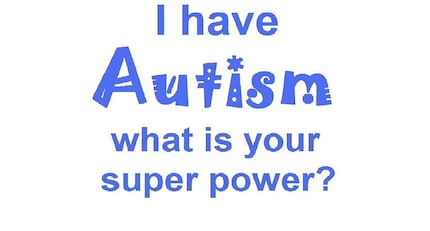
what is it? It's an awesome t-shirt design from Fluffshop on Etsy
They also have others, including:
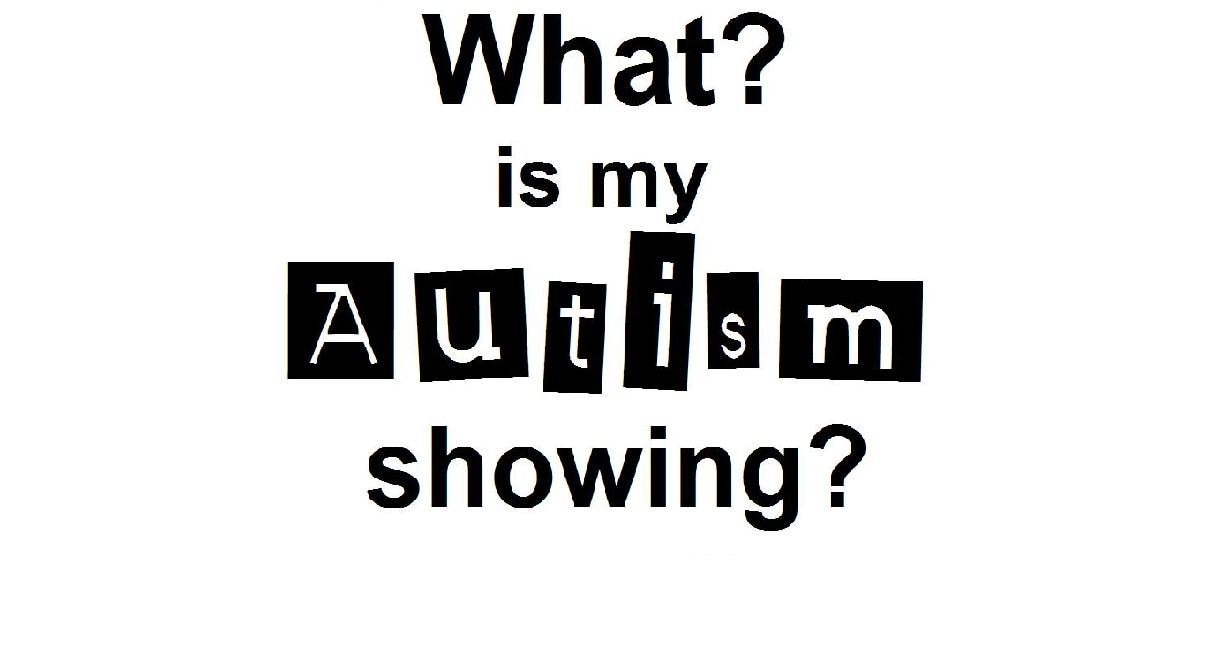
Many many apologies to my friend at Fluffshop, it was unintentional!
what is it? It's an awesome t-shirt design from Fluffshop on Etsy
They also have others, including:
Many many apologies to my friend at Fluffshop, it was unintentional!
Vaccine War: Love the show, hate the war

Okay, I loved Frontline: The Vaccine War. I really fail to see why the anti-vaccine side is offended either, it had plenty of their side. Not really PBS's fault that their side has little scientific evidence to go on. After all, they are the ones who use Jenny McCarthy as an advocate; it is not like PBS picked an obscure person to feature for their side. Seemed to have most of the main players. I don't think anybody was censored, they even had J.B. Handley on with his *lovely* language. (happy they censored the actual language though, I can do without that, thanks)
You can watch Frontline: The Vaccine Wars yourself here:
http://video.pbs.org/video/1479321646/
However....the annoying thing to me is there still IS a vaccine war. Why? We've seen study after study about vaccines and autism: no link. There is only so much money and time for autism research and advocacy. Why are people wasting it on vaccines? So many other issues are pressing: education support, respite, communication devices, sensory issues, safety, faith community inclusion, bullying, and on and on.
Studies all around the world have shown no connection between autism and vaccines. People are dying and getting ill from not having vaccines. From June 3rd, 2007 to April 17th, 2010 there have been 509 vaccine preventable deaths and 57,309 vaccine preventable illnesses. So not only are we wasting autism money and time; we are risking lives.
Please, please, vaccinate your kids, encourage others too. And autism community, stop harping on vaccines, it is NOT an autism community issue!
If you agree, please sign my petition to end the vaccine war within the autism community and move on to more important issues:
End the Vaccine War
(friendly remminder: No hate speech/cursing allowed in comments, that you need to send to my e-mail. Love you anways)
Saturday, April 24, 2010
Interview with Liane Willey

I was delighted that Liane Willey, author of the book Pretending To Be Normal agreed to do an interview with me for my blog. Liane is a wonderful women on the autism spectrum who works to improve the lives of other families living with autism.
1) How did you handle finding employment and keeping it? Are there some tips you could share with other people on the Autism spectrum (and their families helping them) struggling with job issues?
It was very difficult for me to go to job interviews, but I forced myself to do what had to be done. Namely, I made resumes, practiced having interviews with myself in the mirror, and I made sure I had a nice outfit to wear to the interview so that my appearance was neat and appropriate. I cannot say this was easy. There were times I would put off going to the interview for days on end. The key to making myself go was to find a job I was qualified for. When I was 16 I was only qualified for fast food restaurant work so I applied, and got a job at, McDonald's. I applied for my position as a professor after I had my doctorate degree. I did not get every job I applied for and I was often terminated soon after the job. By the time I was in my late 20s, I knew teaching was something I was good at, so I decided to pursue only jobs where I could monologue or teach. My advice is simple: find what you're good at, pick an area you enjoy so you will stay motivated to do what it takes to obtain and keep the job, study hard and gain as much educational or practical experience as your budget will allow for, get experience even if it is as an intern or volunteer, and practice interview skills. After you do get a job, work with a job coach or counselor to make sure your social skills are of the sort your new career will demand. Finally, there is no shame in any job. I often took jobs below what I thought were my academic and experience level, but I learned something in each job, so no job was ever a waste of time.
2) What is the biggest issue facing the autism community today and how would you like it handled?
This is a tough question to answer. If I have to pick one it would be to reach the ASD affected minority, low socioeconomic and elderly populations with both ASD awareness and support programs. I would love the media to join forces and broadcast free ASD educational programs geared toward teachers, caregivers, families, and individuals. A network devoted to nothing but special needs would be great and our ASD community could have a strong voice and presence in this programing.
3) Do you have any tips for managing autistic mannerisms, like rocking, spinning objects, etc.?
I never try to break a stim or habit without having something in mind to take its place. When making a replacement habit, I try to find something that is very similar, but that may look less like a stim. For example, I like to rock, but I rock side to side, rather than forward and backward because it looks more natural- like a mother rocking a baby. And I still afford myself plenty of opportunity to stim as I wish, in private. Private may mean the back of a grocery aisle where there is no audience or a public bathroom behind the closed doors of the stall, but usually it means in my own home.
4) What can people on the spectrum and their loved ones do to keep them safe? How can a person on the spectrum figure out if a situation is "safe" or a person is "safe"? What are some red flags that a situation is bad?
I am not sure a person on the spectrum will ever be 100% able to stay safe and avoid bad situations. Our poor theory of mind and our inability to read non-verbal communications and judge hidden social curriculums make it nearly impossible to always judge a person's intent or a situation's risks. I do know that it is comforting for me to have a trusted person or two I can call the moment I feel like I might be close to something unsavory. I give myself permission to call one of my trusted friends the moment I feel unsafe. Regrettably, I still walk into bad situations, so I would like to refer readers to autism safety expert Dennis Debbaudt. His contact information is http://www.autismriskmanagement.com
Email: ddpi@flash.net
Autism Risk & Safety Management now on FaceBook. Join us here:
http://www.facebook.com/pages/Autism-Risk-Safety-Management/247829751467?ref=mf
5) When you're close to "melting down"; how do you handle it?
First of all, I had to learn by trial and error and many years of paying attention to my reactions, what would make me break down and how to avoid it. Now that I know what my personal buttons are, when I see the buttons are about to be pushed, I tend to go to the darkest part of my closet, close my eyes, shut out all noise, and concentrate on my breathing. If I don't' get myself out of the on-coming storm, I will surely get caught up in it and then I have to ride it out with either extreme amounts of anxiety, physical illness, or lots of tears.
6) What are some do's and not do's of dating? Is there any cautions you have? And what can a parent/caregiver do to help a person on the spectrum interested in dating?
In my perfect world, people on the spectrum would only date people they have been fixed up with by friends and family members! However, there are places and situations that are safer than others for making friends and building relationships. For example, don't toss a person with an ASD to a bar and expect the evening to go well. Family oriented centers like the YMCA rock climbing club or a local bowling league tend to be safer bets for meeting people who do not have ulterior motives in mind. That having been said, there are cruel people everywhere, so the person on the spectrum has to have a solid understanding of what constitutes good and inappropriate behavior and how to handle such behavior if it comes up. Remember that dating will often turn into something interpersonal, so don't underestimate the importance of sex education. Be direct in your discussions, leave nothing out. Discuss diseases, how they are acquired, pregnancy, the urban myths surrounding all the above, and the importance of knowing "no means no". Social coaching is a must in this area and at some point, I would bring in both males and females to talk as freely as possible about their issues, concerns, questions, etc. Let the person on the spectrum do as much self-analysis and questioning, and as much self-advocating and understanding as they can.
7) What is something about Autism that you wish everybody would know?
Yes. I wish people knew that everyone who has autism has a wonderful story to share. If people took time to really learn to listen to and learn from their autistic associates, I bet they would be surprised and delighted with what they learned from the person with autism.
8) Is there something you would like to tell parents/caregivers out there?
Take time for yourself. Shed any guilt you may have. Every parent/caregiver has moments of guilt over any human they tend to, so just know it's normal. Laugh as often as you can. Pick your battles. Know that things get better. Never underestimate the gifts your person with an ASD has. Keep the bar just high enough, and take care not to make it too low. Remember, the support you give is incredibly important and life saving. Without you, I shudder to think where folks on the spectrum would be.
Tuesday, April 6, 2010
Interview with an autism dad
Perhaps you've seen his many Tweets as TannersDad ; Tim Welsh is the dad of a kid with autism. He works tirelessly to increase autism awareness and is respectful even when we disagree. I asked him if it would be okay to ask a few questions for my blog, and he agreed.
1)What was it like when you first got the diagnosis of Autism for your son?
Tanner was "Officially Medically" Diagnosed at age 5... We had gone through Diagnosis of Apraxia of speech, Educational Diagnosis of Autism, PDD-NOS, and finally Autism. It was a process but we had to go through all the stages of loss. We were in denial, Angry, revengeful, grasping for justification and much more. I am still frustrated at the lack of help or explanation. When he was talking, Then got vaccines, & Lost his voice... the timing is suspicious....
2)What do you think the biggest issue surrounding autism right now?
Boy that is a tough question... I would say that the general publics apathy & inaction when it comes to Autism. It is right up there with the lack of services & Support. So many of the Autism issues are inter-related to current issues Health Care reform, insurance Reform, Respect, Restraint & Seclusion laws, Housing, Employment, & Need for answers.
3)What is something you wish other people would understand about Autism?
It is what you do not see that is the issue... These Individuals are some of the most healthy looking & Beautiful... But the stress, Strain , and need for help is immediate. Studies have show families dealing with Autism are under as much stress as those suffering form PTSD Post Traumatic Stress Disorder.
4)What do you wish autism organizations would do (or more of) ?
My dream & Vision is first & Foremost for all Autism Organizations to get on the same page... I started the twitter initiative #UWAC unity within Autism Community. We have much more that we agree on than disagree but sometimes arguments flood the airwaves. To me Awareness, Respect, Services, Employment, Housing, Human Rights, Respite, & Answers all need to be on the front burner.
5)What has helped your son the most?
Love from family. We have a great need for ABA therapy and pray one day that we will have the resources to provide that for Tanner. We are blessed that he has a personality akin to what I imagine Jesus to have. Calm, Happy, Loving... Just beautiful.
You can get in touch with Tim here:
Cell:217 260 3098
http://www.causecast.org/member/tanners-dad
http://www.twitter.com/TannersDad
http://www.linkedin.com/in/tannersdadtimwelsh
http://www.change.org/profiles/tannersdad
http://tinyurl.com/pfwpf7
http://www.autismone.org/users/tim-welsh
http://www.facebook.com/timothy.welsh1
http://tinyurl.com/m9r8ws
http://bit.ly/3tnFHa
#HDTJ #APE #FeelAutismYet #FAY #AutismABC #TAhml #Truthfirst #MTHA #BFH #1in58 #autism
RealTannersDad@Gmail.com
http://www.floral-n-flair.com
(Yes, he did give permission to give out contacts, don't worry!)
1)What was it like when you first got the diagnosis of Autism for your son?
Tanner was "Officially Medically" Diagnosed at age 5... We had gone through Diagnosis of Apraxia of speech, Educational Diagnosis of Autism, PDD-NOS, and finally Autism. It was a process but we had to go through all the stages of loss. We were in denial, Angry, revengeful, grasping for justification and much more. I am still frustrated at the lack of help or explanation. When he was talking, Then got vaccines, & Lost his voice... the timing is suspicious....
2)What do you think the biggest issue surrounding autism right now?
Boy that is a tough question... I would say that the general publics apathy & inaction when it comes to Autism. It is right up there with the lack of services & Support. So many of the Autism issues are inter-related to current issues Health Care reform, insurance Reform, Respect, Restraint & Seclusion laws, Housing, Employment, & Need for answers.
3)What is something you wish other people would understand about Autism?
It is what you do not see that is the issue... These Individuals are some of the most healthy looking & Beautiful... But the stress, Strain , and need for help is immediate. Studies have show families dealing with Autism are under as much stress as those suffering form PTSD Post Traumatic Stress Disorder.
4)What do you wish autism organizations would do (or more of) ?
My dream & Vision is first & Foremost for all Autism Organizations to get on the same page... I started the twitter initiative #UWAC unity within Autism Community. We have much more that we agree on than disagree but sometimes arguments flood the airwaves. To me Awareness, Respect, Services, Employment, Housing, Human Rights, Respite, & Answers all need to be on the front burner.
5)What has helped your son the most?
Love from family. We have a great need for ABA therapy and pray one day that we will have the resources to provide that for Tanner. We are blessed that he has a personality akin to what I imagine Jesus to have. Calm, Happy, Loving... Just beautiful.
You can get in touch with Tim here:
Cell:217 260 3098
http://www.causecast.org/member/tanners-dad
http://www.twitter.com/TannersDad
http://www.linkedin.com/in/tannersdadtimwelsh
http://www.change.org/profiles/tannersdad
http://tinyurl.com/pfwpf7
http://www.autismone.org/users/tim-welsh
http://www.facebook.com/timothy.welsh1
http://tinyurl.com/m9r8ws
http://bit.ly/3tnFHa
#HDTJ #APE #FeelAutismYet #FAY #AutismABC #TAhml #Truthfirst #MTHA #BFH #1in58 #autism
RealTannersDad@Gmail.com
http://www.floral-n-flair.com
(Yes, he did give permission to give out contacts, don't worry!)
Monday, April 5, 2010
No, Age of Autism, autism is NOT like cancer
Amazed. Horrified.
These are both my feelings after a recent Twitter set of Tweets by the popular blog Age of Autism:
AgeofAutism: "Even if my girls WERE too old for an autism cure - I'd NEVER deny the possibility to another family. Would you? #AofA"
AspergersKitty: "@AgeofAutism My concern is how dangerous some "cures" are. I wouldn't get a cure myself;but if it was safe I wouldn't stop consenting others"
AspergersKitty: "@AgeofAutism Provided it's safe/science based; a cure is a deeply personal matter for the autistic individual and their family."
AgeofAutism "@aspergerskitty How dangerous is chemo for cancer? Risk/benefit based on severity of diagnosis. Of course safety 1st."
AspergersKitty:"@AgeofAutism Did you really just compare autism and cancer?! Wow. Well,not enough space here,but I will respond in my blog why that is WRONG"
Cancer is a deadly disease; autism is neurological condition that can cause both problems and benefits. I understand there are people severely affected by autism who need help. But risking death in order to treat autism is just not okay. Those with severe forms of autism are most in need of people's protection from dangerous therapies based on lack of scientific evidence.
It frustrates me when groups like Age of Autism and Generation Rescue have an attitude of promoting dangerous treatments. Of course they can say whatever they please, but ethically, there is a responsibility to protect those who cannot protect themselves. Both groups are in an incredible position of power by being trusted by parents. I wish I'd see them take a stand and say no to dangerous procedures. Just imagine how great it would be to see Generation Rescue, Age of Autism, Autism Society of America, Autism Speaks, and GRASP working together to get support services like respite, speech therapy, occupational therapy, communication devices, and other safe treatments; while taking a stand and saying NO, it's not okay to risk lives with procedures like chelation.
My heart aches when I hear about innocent kids undergoing dangerous treatment. I feel like if I say nothing; it would be standing by while a child is being abused. Because, that's what it is. Risking a child's life on a treatment like chelation is abuse. I know I'll probably get angry mail about this; but why is it okay to do things like this to autistic kids? People would get arrested for doing it to a neurotypical child, why is it okay to do it to an even more helpless child?
One can wish for a world where children are safe from "professionals" and nobody justifies risking their lives for improving a neurological condition.
One can wish.
These are both my feelings after a recent Twitter set of Tweets by the popular blog Age of Autism:
AgeofAutism: "Even if my girls WERE too old for an autism cure - I'd NEVER deny the possibility to another family. Would you? #AofA"
AspergersKitty: "@AgeofAutism My concern is how dangerous some "cures" are. I wouldn't get a cure myself;but if it was safe I wouldn't stop consenting others"
AspergersKitty: "@AgeofAutism Provided it's safe/science based; a cure is a deeply personal matter for the autistic individual and their family."
AgeofAutism "@aspergerskitty How dangerous is chemo for cancer? Risk/benefit based on severity of diagnosis. Of course safety 1st."
AspergersKitty:"@AgeofAutism Did you really just compare autism and cancer?! Wow. Well,not enough space here,but I will respond in my blog why that is WRONG"
Cancer is a deadly disease; autism is neurological condition that can cause both problems and benefits. I understand there are people severely affected by autism who need help. But risking death in order to treat autism is just not okay. Those with severe forms of autism are most in need of people's protection from dangerous therapies based on lack of scientific evidence.
It frustrates me when groups like Age of Autism and Generation Rescue have an attitude of promoting dangerous treatments. Of course they can say whatever they please, but ethically, there is a responsibility to protect those who cannot protect themselves. Both groups are in an incredible position of power by being trusted by parents. I wish I'd see them take a stand and say no to dangerous procedures. Just imagine how great it would be to see Generation Rescue, Age of Autism, Autism Society of America, Autism Speaks, and GRASP working together to get support services like respite, speech therapy, occupational therapy, communication devices, and other safe treatments; while taking a stand and saying NO, it's not okay to risk lives with procedures like chelation.
My heart aches when I hear about innocent kids undergoing dangerous treatment. I feel like if I say nothing; it would be standing by while a child is being abused. Because, that's what it is. Risking a child's life on a treatment like chelation is abuse. I know I'll probably get angry mail about this; but why is it okay to do things like this to autistic kids? People would get arrested for doing it to a neurotypical child, why is it okay to do it to an even more helpless child?
One can wish for a world where children are safe from "professionals" and nobody justifies risking their lives for improving a neurological condition.
One can wish.
Subscribe to:
Posts (Atom)


 Posts
Posts


